
Fishing reels are essential tools for anglers, and choosing between a baitcast reel and a spinning reel can significantly impact your experience on the water. Whether you’re targeting bass, trout, or saltwater species, understanding the differences is key to selecting the right setup. In this guide, we’ll compare baitcast vs spinning reels, explore their pros and cons, explain how to use each, and help you decide which is better based on your fishing style and skill level. With advancements in reel technology for 2026, both types offer improved performance, but the choice often boils down to lure weight, casting accuracy, and ease of use.
What is a Baitcast Reel?
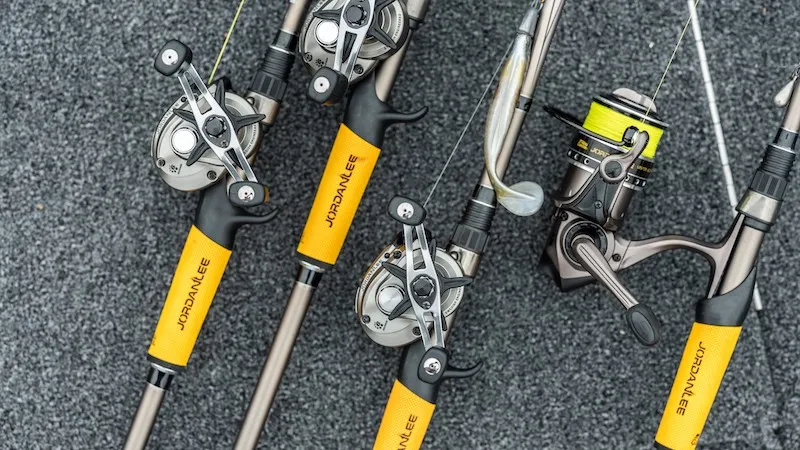
A baitcast reel, also known as a baitcaster, features a revolving spool mounted perpendicular to the rod, sitting on top of the rod handle. It’s designed for precise control, with the line feeding directly off the spool during casts. Baitcasters are popular among experienced anglers for techniques like bass fishing or heavy lure work.
Pros of Baitcast Reels
- Superior Accuracy and Control: Allows for pinpoint casts, especially under overhanging cover or into tight spots.
- Better for Heavy Lures and Lines: Handles heavier lures (1/4 oz and up) and thicker lines (10-20 lb test) without issues, ideal for cranking big baits like deep-diving crankbaits or swimbaits.
- Greater Casting Distance: Once mastered, the free-spooling design enables longer casts with larger lures.
- Stronger Drag for Big Fish: Provides robust power for fighting larger species, with less line twist.
- Ergonomic for All-Day Use: Feels natural for power fishing, with the reel positioned above the rod for better leverage.
Cons of Baitcast Reels
- Steep Learning Curve: Prone to “backlash” (bird’s nests) if not thumbed properly, frustrating for beginners.
- Not Ideal for Light Lures: Struggles with finesse techniques or lures under 1/4 oz, as light lines can dig into the spool.
- Higher Maintenance: Requires adjusting brakes and tension for different lures, and can be more expensive.
- Wind Sensitivity: Wind can cause overruns during casts without proper control.
How to Use a Baitcast Reel: Step-by-Step Guide
Mastering a baitcaster takes practice, but here’s how to get started:
- Set Up the Reel: Adjust the spool tension knob so the lure drops slowly when released. Set magnetic or centrifugal brakes to medium for beginners.
- Hold the Rod: Grip the rod with your dominant hand, thumb on the spool. Press the thumb bar to disengage the spool.
- Cast: Swing the rod back over your shoulder, then forward. Release your thumb as the rod tip points toward the target, feathering the spool to control line speed.
- Retrieve: Turn the handle to engage the spool and reel in. Use your thumb to stop the spool if needed to prevent overrun.
- Fight Fish: Adjust drag as the fish runs, using the reel’s power to tire it out.
Tip: Practice in an open field with a practice plug to avoid backlashes.
What is a Spinning Reel?
A spinning reel has a fixed spool mounted below the rod, with a bail that flips open for casting. The line uncoils in loops, making it versatile and user-friendly. It’s the go-to for beginners and finesse fishing.
Pros of Spinning Reels
- Ease of Use: Minimal learning curve—great for beginners and kids, with fewer tangles.
- Excellent for Light Lures: Casts lightweight baits (under 1/4 oz) and thin lines (6-10 lb test) effortlessly, perfect for finesse techniques like drop shots or ned rigs.
- Superior Drag System: Larger drag washers provide smooth, consistent pressure for landing fish without line breaks.
- Versatile and Affordable: Works well for various species, from panfish to inshore saltwater, and often cheaper than baitcasters.
- Wind-Resistant: Less affected by wind, as the bail manages line release.
Cons of Spinning Reels
- Limited Accuracy for Heavy Lures: Not as precise for big baits or long-distance casts with heavier setups.
- Line Twist Issues: Can introduce twists, especially with monofilament, requiring occasional fixes.
- Less Power for Big Fish: May lack the cranking torque of baitcasters for heavy-duty fights.
- Bulkier Feel: The underslung design can feel awkward for some during extended use.
How to Use a Spinning Reel: Step-by-Step Guide
Spinning reels are straightforward—here’s a quick tutorial:
- Set Up the Reel: Adjust the drag knob on top for fish-fighting tension. Flip the bail open.
- Hold the Rod: Use your non-dominant hand on the rod handle, index finger holding the line against the rod.
- Cast: Swing the rod back, then forward. Release the line with your finger midway through the forward motion.
- Retrieve: Flip the bail closed by turning the handle, then reel in steadily.
- Fight Fish: Let the drag do the work as the fish pulls line, reeling in during pauses.
Tip: Use anti-reverse for instant hook sets, and spool with braided line for better sensitivity.
Baitcast vs Spinning: Which Reel is Better?
Neither is universally “better”—it depends on your needs. For beginners, finesse fishing, or light lures, spinning reels are superior due to their forgiveness and ease. Baitcasters excel for experienced anglers targeting accuracy, heavy lures, or big fish like bass. Many pros use both: spinning for light setups (under 8 lb test) and baitcast for power fishing. In 2026, hybrid models blur the lines, but start with spinning if you’re new.
| Feature | Baitcast Reel | Spinning Reel |
|---|---|---|
| Best For | Heavy lures, accuracy, power | Light lures, beginners, finesse |
| Learning Curve | High | Low |
| Casting Distance | Excellent (with practice) | Good for light setups |
| Price Range | $50-$300+ | $20-$200+ |
| Common Uses | Bass, crankbaits, swimbaits | Panfish, trout, drop shots |
Final Thoughts: Choosing Your Reel for 2026 Fishing Adventures
Ultimately, test both reels to see what feels right—many anglers own multiples for versatility. If you’re just starting, opt for a spinning reel to build confidence before tackling baitcasters. Whichever you choose, focus on quality brands like Shimano or Abu Garcia for durability. Happy fishing!# Baitcast vs Spinning Reels: Which is Better for Fishing? Pros, Cons & How to Use Each in 2026
Fishing reels are essential tools for anglers, and choosing between a baitcast reel and a spinning reel can significantly impact your experience on the water. Whether you’re targeting bass, trout, or saltwater species, understanding the differences is key to selecting the right setup. In this guide, we’ll compare baitcast vs spinning reels, explore their pros and cons, explain how to use each, and help you decide which is better based on your fishing style and skill level. With advancements in reel technology for 2026, both types offer improved performance, but the choice often boils down to lure weight, casting accuracy, and ease of use.
What is a Baitcast Reel?
A baitcast reel, also known as a baitcaster, features a revolving spool mounted perpendicular to the rod, sitting on top of the rod handle. It’s designed for precise control, with the line feeding directly off the spool during casts. Baitcasters are popular among experienced anglers for techniques like bass fishing or heavy lure work.
Pros of Baitcast Reels
- Superior Accuracy and Control: Allows for pinpoint casts, especially under overhanging cover or into tight spots.
- Better for Heavy Lures and Lines: Handles heavier lures (1/4 oz and up) and thicker lines (10-20 lb test) without issues, ideal for cranking big baits like deep-diving crankbaits or swimbaits.
- Greater Casting Distance: Once mastered, the free-spooling design enables longer casts with larger lures.
- Stronger Drag for Big Fish: Provides robust power for fighting larger species, with less line twist.
- Ergonomic for All-Day Use: Feels natural for power fishing, with the reel positioned above the rod for better leverage.
Cons of Baitcast Reels
- Steep Learning Curve: Prone to “backlash” (bird’s nests) if not thumbed properly, frustrating for beginners.
- Not Ideal for Light Lures: Struggles with finesse techniques or lures under 1/4 oz, as light lines can dig into the spool.
- Higher Maintenance: Requires adjusting brakes and tension for different lures, and can be more expensive.
- Wind Sensitivity: Wind can cause overruns during casts without proper control.
How to Use a Baitcast Reel: Step-by-Step Guide
Mastering a baitcaster takes practice, but here’s how to get started:
- Set Up the Reel: Adjust the spool tension knob so the lure drops slowly when released. Set magnetic or centrifugal brakes to medium for beginners.
- Hold the Rod: Grip the rod with your dominant hand, thumb on the spool. Press the thumb bar to disengage the spool.
- Cast: Swing the rod back over your shoulder, then forward. Release your thumb as the rod tip points toward the target, feathering the spool to control line speed.
- Retrieve: Turn the handle to engage the spool and reel in. Use your thumb to stop the spool if needed to prevent overrun.
- Fight Fish: Adjust drag as the fish runs, using the reel’s power to tire it out.
Tip: Practice in an open field with a practice plug to avoid backlashes.
What is a Spinning Reel?
A spinning reel has a fixed spool mounted below the rod, with a bail that flips open for casting. The line uncoils in loops, making it versatile and user-friendly. It’s the go-to for beginners and finesse fishing.
Pros of Spinning Reels
- Ease of Use: Minimal learning curve—great for beginners and kids, with fewer tangles.
- Excellent for Light Lures: Casts lightweight baits (under 1/4 oz) and thin lines (6-10 lb test) effortlessly, perfect for finesse techniques like drop shots or ned rigs.
- Superior Drag System: Larger drag washers provide smooth, consistent pressure for landing fish without line breaks.
- Versatile and Affordable: Works well for various species, from panfish to inshore saltwater, and often cheaper than baitcasters.
- Wind-Resistant: Less affected by wind, as the bail manages line release.
Cons of Spinning Reels
- Limited Accuracy for Heavy Lures: Not as precise for big baits or long-distance casts with heavier setups.
- Line Twist Issues: Can introduce twists, especially with monofilament, requiring occasional fixes.
- Less Power for Big Fish: May lack the cranking torque of baitcasters for heavy-duty fights.
- Bulkier Feel: The underslung design can feel awkward for some during extended use.
How to Use a Spinning Reel: Step-by-Step Guide
Spinning reels are straightforward—here’s a quick tutorial:
- Set Up the Reel: Adjust the drag knob on top for fish-fighting tension. Flip the bail open.
- Hold the Rod: Use your non-dominant hand on the rod handle, index finger holding the line against the rod.
- Cast: Swing the rod back, then forward. Release the line with your finger midway through the forward motion.
- Retrieve: Flip the bail closed by turning the handle, then reel in steadily.
- Fight Fish: Let the drag do the work as the fish pulls line, reeling in during pauses.
Tip: Use anti-reverse for instant hook sets, and spool with braided line for better sensitivity.
Baitcast vs Spinning: Which Reel is Better?
Neither is universally “better”—it depends on your needs. For beginners, finesse fishing, or light lures, spinning reels are superior due to their forgiveness and ease. Baitcasters excel for experienced anglers targeting accuracy, heavy lures, or big fish like bass. Many pros use both: spinning for light setups (under 8 lb test) and baitcast for power fishing. In 2026, hybrid models blur the lines, but start with spinning if you’re new.
| Feature | Baitcast Reel | Spinning Reel |
|---|---|---|
| Best For | Heavy lures, accuracy, power | Light lures, beginners, finesse |
| Learning Curve | High | Low |
| Casting Distance | Excellent (with practice) | Good for light setups |
| Price Range | $50-$300+ | $20-$200+ |
| Common Uses | Bass, crankbaits, swimbaits | Panfish, trout, drop shots |
Final Thoughts: Choosing Your Reel for 2026 Fishing Adventures
Ultimately, test both reels to see what feels right—many anglers own multiples for versatility. If you’re just starting, opt for a spinning reel to build confidence before tackling baitcasters. Whichever you choose, focus on quality brands like Shimano or Abu Garcia for durability. Happy fishing!# Baitcast vs Spinning Reels: Which is Better for Fishing? Pros, Cons & How to Use Each in 2026
Fishing reels are essential tools for anglers, and choosing between a baitcast reel and a spinning reel can significantly impact your experience on the water. Whether you’re targeting bass, trout, or saltwater species, understanding the differences is key to selecting the right setup. In this guide, we’ll compare baitcast vs spinning reels, explore their pros and cons, explain how to use each, and help you decide which is better based on your fishing style and skill level. With advancements in reel technology for 2026, both types offer improved performance, but the choice often boils down to lure weight, casting accuracy, and ease of use.
What is a Baitcast Reel?
A baitcast reel, also known as a baitcaster, features a revolving spool mounted perpendicular to the rod, sitting on top of the rod handle. It’s designed for precise control, with the line feeding directly off the spool during casts. Baitcasters are popular among experienced anglers for techniques like bass fishing or heavy lure work.
Pros of Baitcast Reels
- Superior Accuracy and Control: Allows for pinpoint casts, especially under overhanging cover or into tight spots.
- Better for Heavy Lures and Lines: Handles heavier lures (1/4 oz and up) and thicker lines (10-20 lb test) without issues, ideal for cranking big baits like deep-diving crankbaits or swimbaits.
- Greater Casting Distance: Once mastered, the free-spooling design enables longer casts with larger lures.
- Stronger Drag for Big Fish: Provides robust power for fighting larger species, with less line twist.
- Ergonomic for All-Day Use: Feels natural for power fishing, with the reel positioned above the rod for better leverage.
Cons of Baitcast Reels
- Steep Learning Curve: Prone to “backlash” (bird’s nests) if not thumbed properly, frustrating for beginners.
- Not Ideal for Light Lures: Struggles with finesse techniques or lures under 1/4 oz, as light lines can dig into the spool.
- Higher Maintenance: Requires adjusting brakes and tension for different lures, and can be more expensive.
- Wind Sensitivity: Wind can cause overruns during casts without proper control.
How to Use a Baitcast Reel: Step-by-Step Guide
Mastering a baitcaster takes practice, but here’s how to get started:
- Set Up the Reel: Adjust the spool tension knob so the lure drops slowly when released. Set magnetic or centrifugal brakes to medium for beginners.
- Hold the Rod: Grip the rod with your dominant hand, thumb on the spool. Press the thumb bar to disengage the spool.
- Cast: Swing the rod back over your shoulder, then forward. Release your thumb as the rod tip points toward the target, feathering the spool to control line speed.
- Retrieve: Turn the handle to engage the spool and reel in. Use your thumb to stop the spool if needed to prevent overrun.
- Fight Fish: Adjust drag as the fish runs, using the reel’s power to tire it out.
Tip: Practice in an open field with a practice plug to avoid backlashes.
What is a Spinning Reel?
A spinning reel has a fixed spool mounted below the rod, with a bail that flips open for casting. The line uncoils in loops, making it versatile and user-friendly. It’s the go-to for beginners and finesse fishing.
Pros of Spinning Reels
- Ease of Use: Minimal learning curve—great for beginners and kids, with fewer tangles.
- Excellent for Light Lures: Casts lightweight baits (under 1/4 oz) and thin lines (6-10 lb test) effortlessly, perfect for finesse techniques like drop shots or ned rigs.
- Superior Drag System: Larger drag washers provide smooth, consistent pressure for landing fish without line breaks.
- Versatile and Affordable: Works well for various species, from panfish to inshore saltwater, and often cheaper than baitcasters.
- Wind-Resistant: Less affected by wind, as the bail manages line release.
Cons of Spinning Reels
- Limited Accuracy for Heavy Lures: Not as precise for big baits or long-distance casts with heavier setups.
- Line Twist Issues: Can introduce twists, especially with monofilament, requiring occasional fixes.
- Less Power for Big Fish: May lack the cranking torque of baitcasters for heavy-duty fights.
- Bulkier Feel: The underslung design can feel awkward for some during extended use.
How to Use a Spinning Reel: Step-by-Step Guide
Spinning reels are straightforward—here’s a quick tutorial:
- Set Up the Reel: Adjust the drag knob on top for fish-fighting tension. Flip the bail open.
- Hold the Rod: Use your non-dominant hand on the rod handle, index finger holding the line against the rod.
- Cast: Swing the rod back, then forward. Release the line with your finger midway through the forward motion.
- Retrieve: Flip the bail closed by turning the handle, then reel in steadily.
- Fight Fish: Let the drag do the work as the fish pulls line, reeling in during pauses.
Tip: Use anti-reverse for instant hook sets, and spool with braided line for better sensitivity.
Baitcast vs Spinning: Which Reel is Better?
Neither is universally “better”—it depends on your needs. For beginners, finesse fishing, or light lures, spinning reels are superior due to their forgiveness and ease. Baitcasters excel for experienced anglers targeting accuracy, heavy lures, or big fish like bass. Many pros use both: spinning for light setups (under 8 lb test) and baitcast for power fishing. In 2026, hybrid models blur the lines, but start with spinning if you’re new.
| Feature | Baitcast Reel | Spinning Reel |
|---|---|---|
| Best For | Heavy lures, accuracy, power | Light lures, beginners, finesse |
| Learning Curve | High | Low |
| Casting Distance | Excellent (with practice) | Good for light setups |
| Price Range | $50-$300+ | $20-$200+ |
| Common Uses | Bass, crankbaits, swimbaits | Panfish, trout, drop shots |
Final Thoughts: Choosing Your Reel for 2026 Fishing Adventures
Ultimately, test both reels to see what feels right—many anglers own multiples for versatility. If you’re just starting, opt for a spinning reel to build confidence before tackling baitcasters. Whichever you choose, focus on quality brands like Shimano or Abu Garcia for durability. Happy fishing!